September 24, 2026
Proper vehicle alignment is a critical factor in maintaining optimal driving performance and safety. When a vehicle's alignment is off, it can accelerate wear and tear on your tires and suspension, compromise fuel efficiency, and even lead to potentially dangerous driving situations. Unfortunately, many drivers are unaware of the signs that indicate their vehicle is in need of an alignment repair, leading them to ignore the problem until it becomes serious. According to AutoLeap, more than 40% of vehicle owners rely on reactive maintenance practices instead of adhering to a proactive routine service schedule, often resulting in compounded repair costs and more significant vehicle issues. Therefore, understanding these alignment signals can prevent further mechanical issues and ensure a safer driving experience.
1. Uneven Tire Wear
Identifying Uneven Tire Patterns
One of the most noticeable signs of alignment issues is uneven tire wear. Tires that wear unevenly often display distinct patterns, such as feathering, camber wear, or excessive wear on one shoulder. These patterns emerge due to improper contact with the road surface, which an aligned tire should consistently maintain. Regular tire inspections can reveal these patterns early on, allowing drivers to address misalignment before it causes further damage. Early detection is crucial and prompt alignment repair, as ignoring these signs can lead to costly tire replacements and potential safety hazards due to compromised traction.
Causes of Uneven Tire Wear
Uneven tire wear generally results from misaligned wheels, which can be attributed to several factors. Over time, normal driving can cause alignment settings to shift, leading to misalignment. Aggressive driving habits, like sudden braking or high-speed cornering, can also exacerbate this issue by putting additional stress on the tires and suspension. Additionally, collisions with road hazards, such as potholes or curbs, often result in immediate and noticeable alignment problems. Addressing these underlying causes is essential to maintaining even tire wear and prolonging the life of your tires.
Impact of Uneven Wear on Driving Safety
Uneven tire wear affects vehicle handling, significantly compromising driving safety. When tires wear unevenly, traction on the road is inconsistent, making the vehicle more challenging to control, especially in adverse conditions such as rain or snow. An unevenly worn tire is also more susceptible to blowouts, which can happen unexpectedly and pose a severe danger to the driver and others on the road. Furthermore, constant corrections by the driver to maintain direction because of uneven tire wear can lead to driver fatigue. This fatigue increases the likelihood of accidents, underscoring the necessity of maintaining proper alignment for safety.
Checking Tire Wear Regularly
Regularly checking tire wear is a fundamental part of vehicle maintenance that can help detect alignment problems early. Drivers should make it a habit to inspect their tires for uneven wear patterns every few thousand miles or at every oil change. By consistently monitoring tire condition, any anomalies in wear patterns can be swiftly addressed, preventing the misalignment from worsening. Experts advise rotating tires routinely, which can promote even wear and provide additional opportunities to inspect alignment. Combining these checks with professional assessments ensures both tire longevity and optimal vehicle performance.
2. Vehicle Pulling to One Side
Understanding Vehicle Drift
One of the most noticeable indicators of alignment issues is when your vehicle pulls to one side. This phenomenon, known as vehicle drift, occurs when the wheels are not aligned properly, causing the car to prefer one direction over another. On a flat and straight road, the car should travel in a straight path when the steering wheel is centered. If the vehicle veers left or right without manual input, alignment may be the culprit. Addressing this drift with prompt alignment repair is essential to prevent safety risks related to control while driving.
Causes of Pulling
Several alignment issues can cause a vehicle to pull to one side. Among the most common is improper caster and camber settings, which affect how the tires make contact with the road. Additionally, uneven tire pressure or irregular tire wear can exacerbate this issue, as they contribute to differential traction on either side of the vehicle. Suspension components, including ball joints and bushings, if worn or damaged, can also lead to a drifting vehicle. Timely diagnosis and alignment repair are vital to maintaining vehicle stability and driver safety.
Performing a Self-Assessment
Drivers can perform a simple self-assessment to check for vehicle pulling. On a straight, level road with minimal traffic, gently release the steering wheel and observe the car's trajectory. If the vehicle drifts to one side, even with slight steering adjustments, alignment is likely needed. This self-assessment helps drivers identify potential alignment issues early, prompting them to seek professional evaluation and repair. Regular self-assessments and prompt actions can prevent further worsened alignment and the associated safety issues.
Professional Diagnostic Approaches
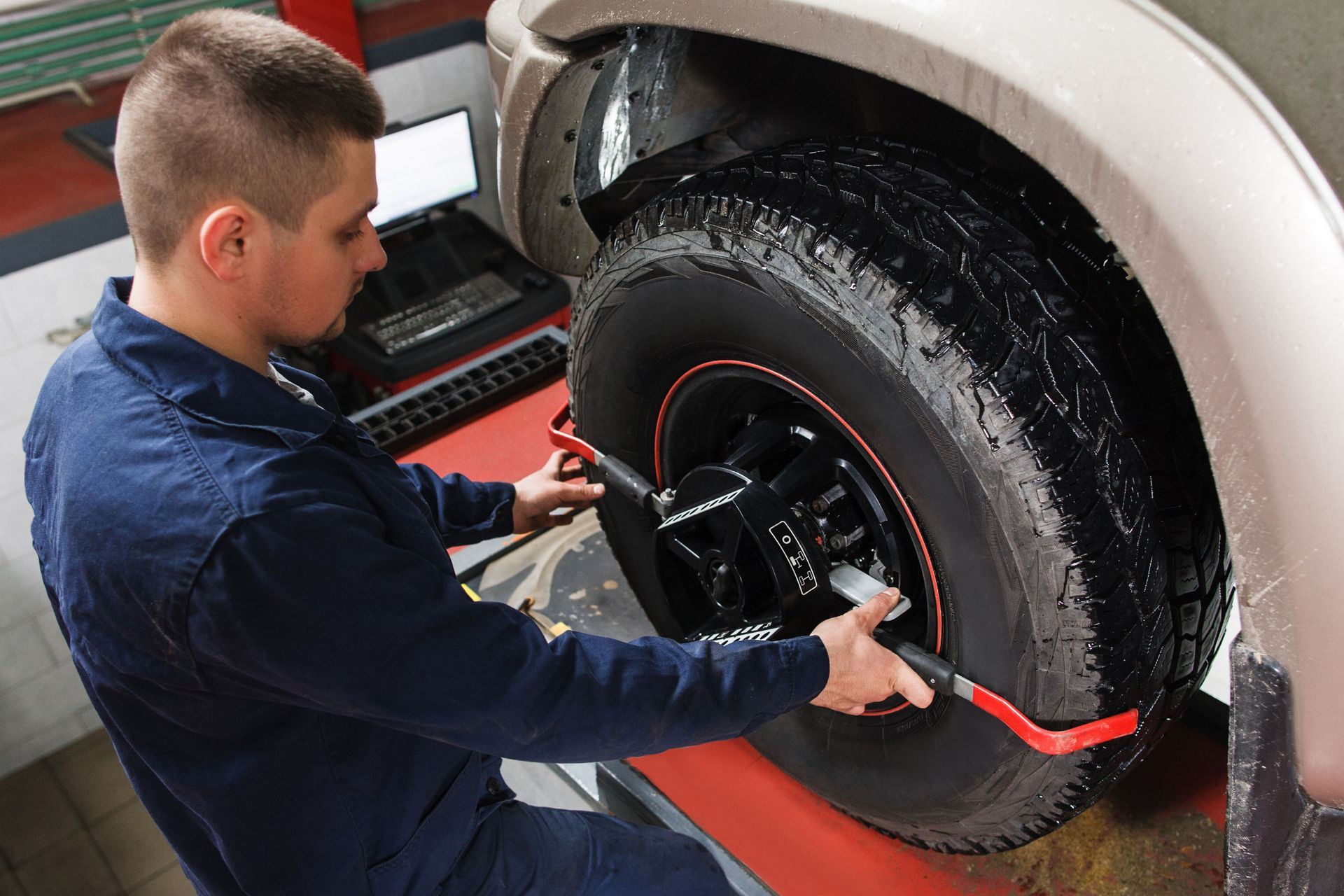
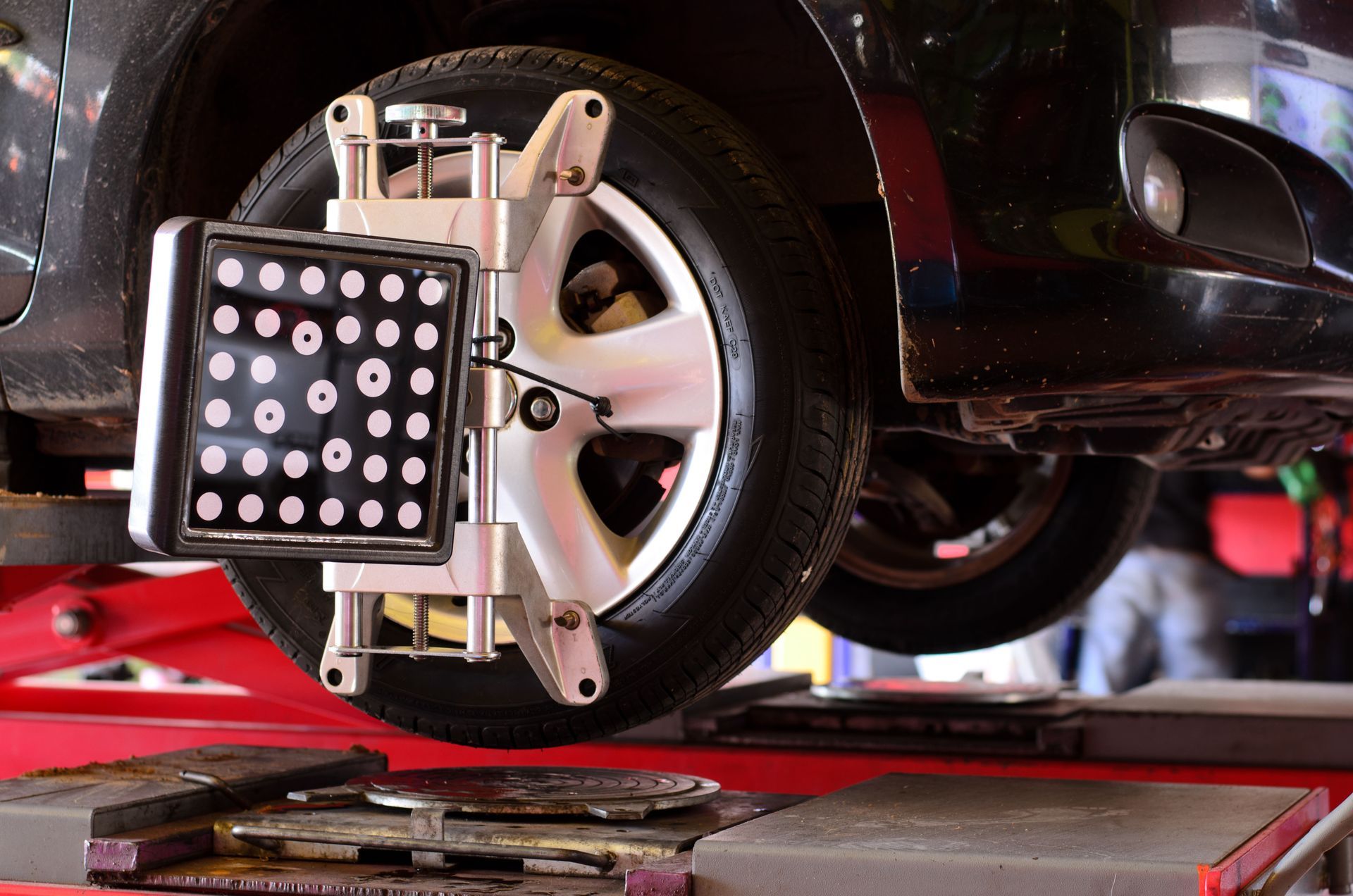
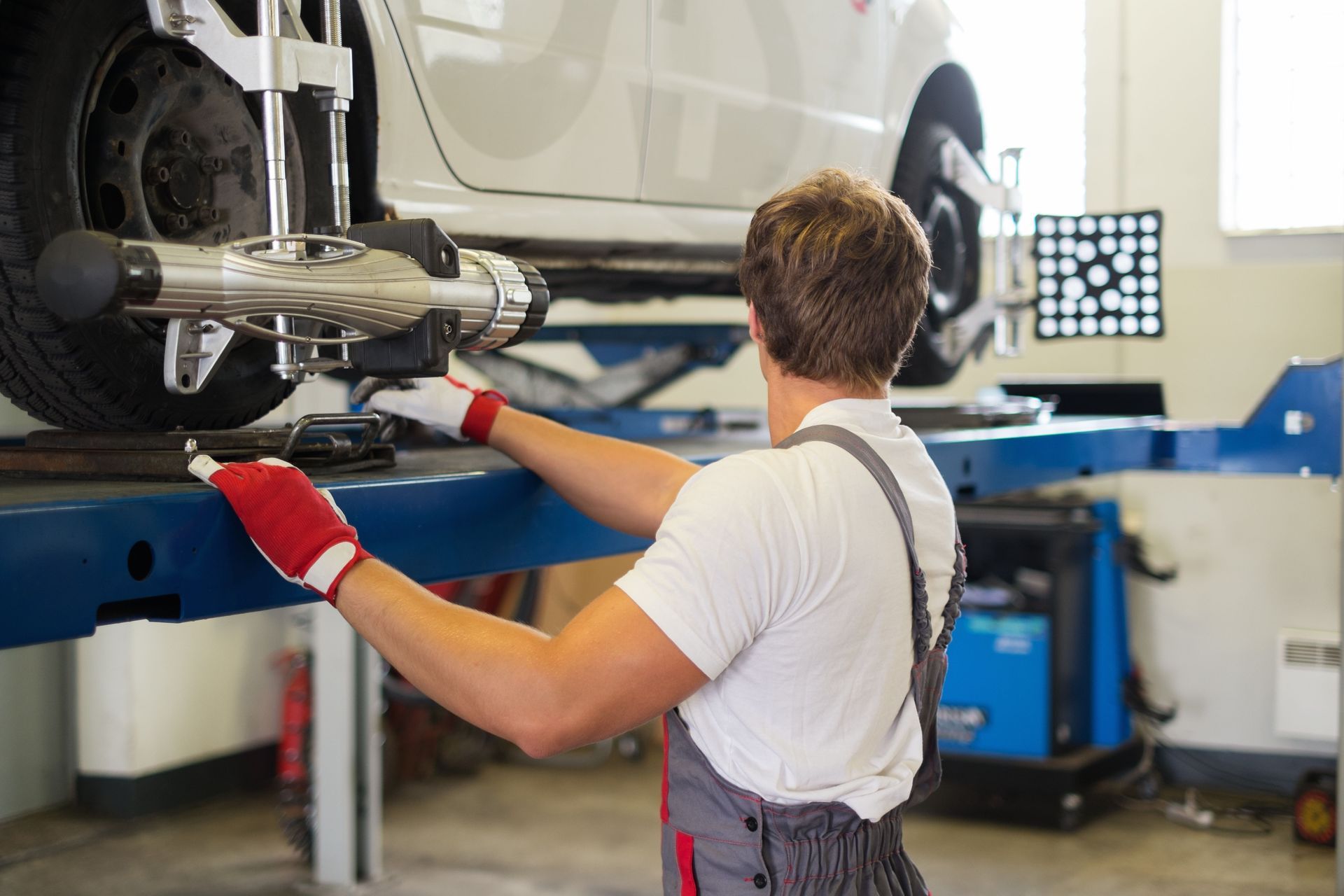
Professional diagnostics involve a comprehensive assessment to accurately identify alignment and pulling issues. Mechanics use specialized alignment machines to measure the angles of the wheels and compare them to manufacturer specifications. During the process, they inspect related components to ensure no damage or wear contributes to the alignment problem. This precise measurement and analysis provide a basis for adjustments or replacements needed to restore alignment. Relying on professional diagnostics ensures that alignment issues are accurately and effectively resolved.
3. Steering Wheel Vibration
Causes of Steering Wheel Shakes
Steering wheel vibrations can be unsettling and are often a sign of alignment issues. Misalignment creates inconsistent contact between the tire and road, leading to vibrations. This shaking is more noticeable at higher speeds, where misalignment forces are amplified. While alignment issues are a common cause, other issues like unbalanced wheels or defective suspension parts can also contribute. Accurate diagnosis is crucial to pinpointing the exact cause and applying the appropriate solution to eliminate vibrations.
Distinguishing Vibration Types
Not all steering wheel vibrations stem from alignment problems, so distinguishing the type is essential. Vibrations from improper alignment typically occur at various speeds and are consistent with misalignment angles. Conversely, vibrations from wheel imbalance often peak at specific speed ranges and reduce when slowing down or speeding up. Additionally, irregular road surfaces or tire defects can cause momentary vibrations. Understanding these differences aids in accurate diagnosis and ensures that any applied repairs target the root of the issue.
Vibration Effect on Vehicle Control
Persistent steering wheel vibration impacts vehicle control significantly, reducing driving safety. Vibrations can lead to increased wear and tear on steering components and tires, intensifying the original problem over time. The constant shaking also requires more effort to maintain a steady grip, leading to driver fatigue and distraction. Furthermore, untreated vibrations can result in potential loss of control during evasive maneuvers in emergencies. Addressing vibration issues with prompt alignment repair is therefore paramount in maintaining control and ensuring safe operation.
Temporary vs. Persistent Vibration
Determining whether steering vibration is temporary or persistent helps guide repair strategies. Temporary vibrations may result from road conditions or minor wheel imbalances that resolve without intervention. However, persistent vibrations that occur consistently during standard driving indicate more profound alignment or component issues. Identifying the persistence of the problem facilitates timely repairs, preventing minor annoyances from evolving into significant safety threats. Preventive maintenance and regular diagnostics are vital for keeping vibration-related problems at bay.
Fixing Alignment-Related Vibration
Eliminating vibrations due to alignment involves targeted alignment adjustments and potentially additional repairs. Mechanics will align the wheels properly, adjusting any camber, caster, or toe-in issues contributing to the vibration. If uneven tire wear is detected, tires may be rotated, balanced, or replaced as necessary. Incorporating these steps with a comprehensive inspection ensures all contributing factors are addressed. Alignment repair not only resolves vibrations but also enhances vehicle handling and tire longevity, ensuring a smoother, safer ride.
Addressing alignment issues promptly is crucial to maintaining vehicle performance and safety. Recognizing the signs offers early warning of alignment problems that can compromise control and exacerbate vehicle wear. Prioritizing timely alignment adjustments with Woodman Automotive & Tires not only enhances driving safety and comfort but also protects long-term vehicle investment. Reach out to us today to get started!