July 27, 2026
Planning a long drive requires careful preparation to ensure safety and comfort. You probably check your oil level, top off your washer fluid, and inspect your tires before hitting the highway. Many drivers overlook the way their vehicle tracks down the road, which plays a massive role in handling. Poor wheel tracking turns a relaxing drive into a tiring struggle. Ensuring your vehicle drives straight is essential before you head out.
Ignoring subtle changes in your steering can lead to severe mechanical issues. A properly adjusted suspension keeps your tires meeting the pavement at the correct angle. When this system falls out of specification, it creates uneven friction on various components. Recognizing the symptoms of a misaligned suspension lets you address the problem early. Here are four common indicators that tell you it's time to schedule an alignment repair before your journey.
1. Your Vehicle Pulls to One Side
One of the most obvious indicators of a suspension problem is a car that actively pulls to the left or right. You might easily notice this frustrating issue while driving on a completely straight and level highway. If you momentarily release your grip on the steering wheel, the vehicle should ideally continue moving perfectly straight without drifting into another lane.
A car that immediately drifts sideways indicates that the wheels are fighting each other. This pulling sensation forces you to constantly apply pressure just to maintain a straight path. Constantly fighting your steering wheel leads to severe driver fatigue during long trips, leaving your arms and shoulders strained for hours.
A relaxing road trip becomes exhausting when you spend the entire time wrestling with your heavy vehicle. The pulling effect also compromises your reaction time if you need to perform a quick emergency maneuver. Maintaining a relaxed grip is impossible when your car constantly tries to veer off the paved road without warning.
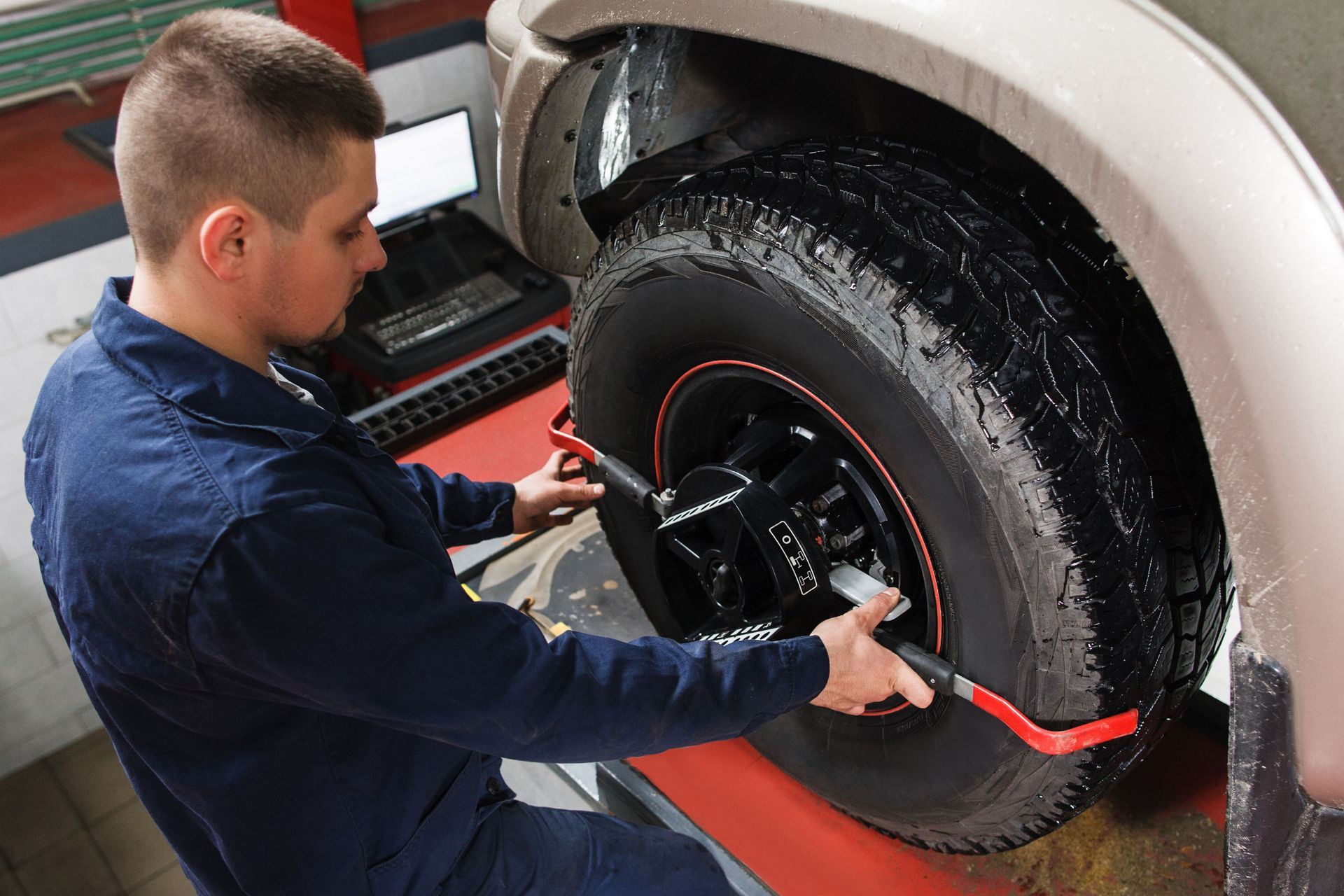
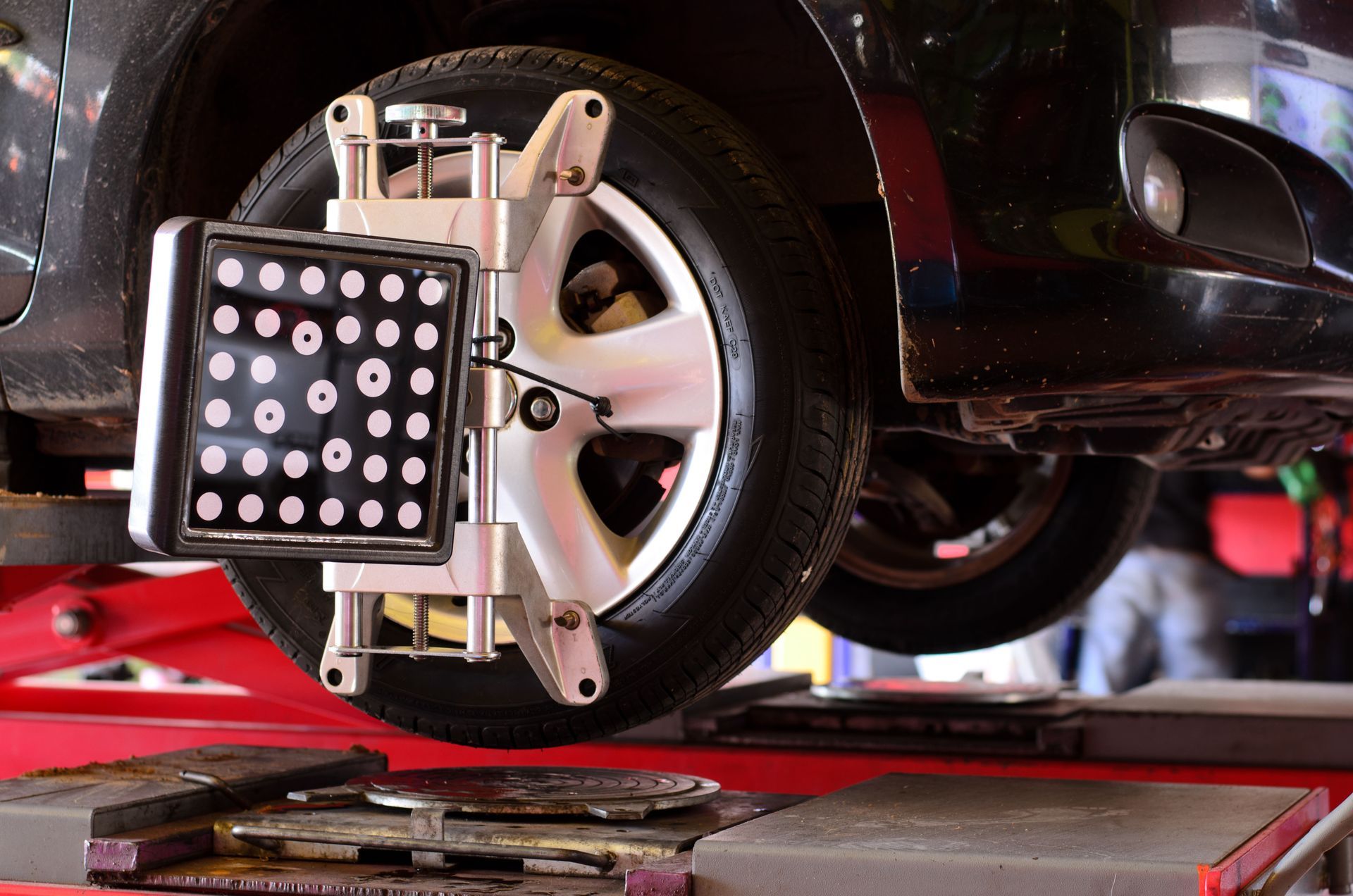
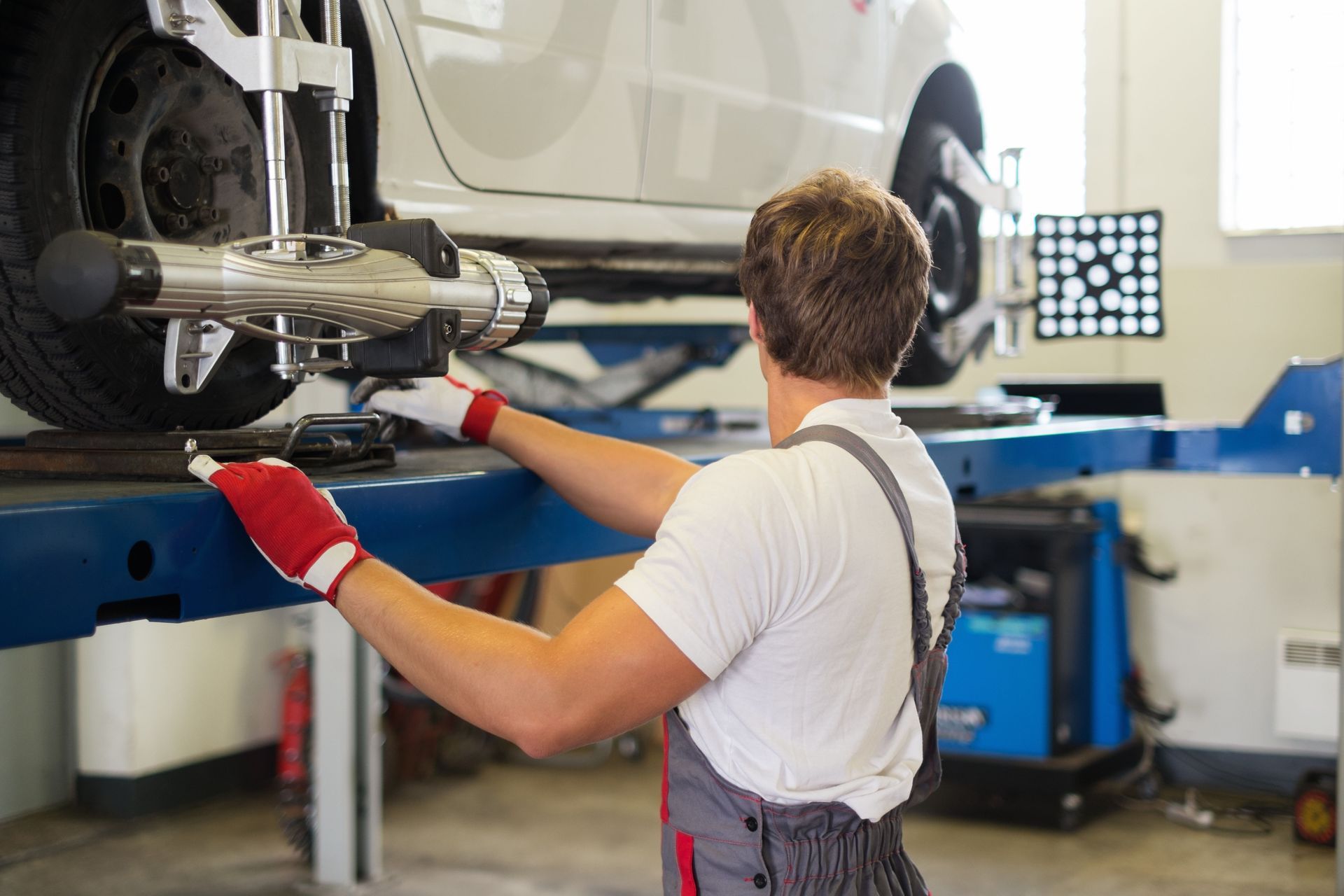
Professional mechanics use specialized equipment to correct the specific angles of your suspension components carefully. According to Toyota, a two-wheel alignment typically corrects the front tires' angles, while a four-wheel alignment adjusts both the front and rear wheels for vehicles that have four-wheel drive. Correcting these angles restores natural vehicle tracking perfectly.
2. Your Steering Wheel Vibrates
A vibrating steering wheel serves as another clear warning that your suspension requires immediate attention. You might feel a slight shimmy at low speeds that gradually worsens as you accelerate down the highway. This vibration often stems from tires that sit at incorrect angles, causing them to scrub aggressively against the pavement rather than roll smoothly.
Many drivers mistakenly blame this vibration on an unbalanced tire or a slightly bent rim. While those issues certainly cause shaking, incorrect wheel angles remain a highly frequent culprit. When tires drag sideways even slightly, the tread blocks catch and release the asphalt rapidly. This continuous motion creates a noticeable vibration throughout the cabin.
Driving hundreds of miles with a shaking steering wheel is incredibly unpleasant for everyone in the car. The annoying vibration transfers through the seats, making the journey quite uncomfortable for all passengers. Extended driving under these rough conditions can also loosen other suspension components over time, leading to a costly mechanical failure if left entirely unresolved.
A smooth and quiet ride is a true hallmark of a properly maintained vehicle. Having an expert inspect the suspension angles can accurately pinpoint why your steering wheel shakes. A timely alignment repair restores the smooth operation of your steering system and successfully eliminates the harsh vibrations. You can then enjoy a peaceful, relaxing drive.
3. Your Tires Show Uneven Wear Patterns
Inspecting your tires provides valuable insight into the health of your suspension. Healthy tires wear down evenly across the surface of the tread over many thousands of miles. When wheels sit at improper angles, certain areas of the tire bear more weight than others. This uneven pressure causes the rubber to degrade rapidly in specific spots while remaining relatively new in others.
You can often spot these uneven wear patterns by looking closely at your tires before departing. If the inside edge looks completely bald while the outside edge still has deep grooves, your suspension is definitely out of specification. These clear visual cues are undeniable proof that your tires are dragging heavily across the road surface.
Driving on unevenly worn tires severely impacts your ability to stop safely in wet or icy conditions. The bald sections lack the necessary grooves to effectively channel water away from the contact patch, dramatically increasing the risk of dangerous hydroplaning. Replacing ruined tires is highly expensive, and you'll ruin the new ones just as quickly.
Completing an alignment repair saves you substantial money by maximizing the overall lifespan of your expensive tires. Before embarking on a long road trip, carefully run your hands across the tread of all four tires. Correcting the wheel angles ensures your tires wear evenly and provides maximum traction for your upcoming journey.
4. Your Steering Wheel Remains Crooked
A perfectly straight steering wheel is something most drivers take for granted until it suddenly changes one day. When you travel straight down a level road, the emblem in the center of your wheel should sit perfectly level. If you notice that you must keep the wheel turned slightly just to drive straight, your suspension geometry is fundamentally flawed.
This crooked wheel might initially seem like a mere cosmetic annoyance, but it actually signifies a deeper mechanical imbalance. The internal components of your steering rack are specifically designed to operate from a centered position. Operating the vehicle with a constantly turned wheel places unequal hydraulic pressure on the power steering system over time.
Modern vehicles also heavily rely on sophisticated steering angle sensors to operate advanced safety systems. Features like electronic stability control need to know exactly where the steering wheel is pointed at all times. If the wheel is crooked while the car moves straight, these sensors receive conflicting data and might not function correctly during sudden emergencies.
Restoring the true center position of your steering wheel brings back a wonderful sense of precision to your daily driving experience. An alignment repair recalibrates the mechanical linkages so the steering wheel perfectly matches the direction of the front tires. You'll no longer have to mentally compensate for the crooked angle while navigating busy streets.
Preparing for a vacation involves much more than just packing luggage and planning a route. The condition of your vehicle directly impacts the safety and enjoyment of your entire trip. Paying close attention to how your car handles on the road allows you to catch minor issues before they become major headaches. Getting a necessary alignment repair before you leave ensures your vehicle tracks straight, rides smoothly, and responds predictably. You can hit the road knowing your suspension is properly adjusted.
Don't let steering wheel vibrations, pulling sensations, or uneven tire wear ruin your travel plans. Taking the time to have your suspension evaluated provides peace of mind for you and your passengers. Addressing these warning signs helps ensure that your car is prepared for whatever lies ahead. Safe travels start with a reliable and well-maintained vehicle.
If your vehicle shows any of these signs, don't hesitate to schedule an alignment repair at Woodman Automotive & Tires before you hit the road.