March 28, 2026
Wheel alignment is a critical aspect of vehicle maintenance that ensures the wheels of a vehicle are adjusted to the manufacturer's specifications. Proper alignment is essential for optimal vehicle performance, extending tire life, and ensuring safety on the road. Neglecting wheel alignment can lead to uneven tire wear, compromised handling, and reduced fuel efficiency. This article will delve into the intricacies of wheel alignment, providing insights into why it is crucial, how often it should be done, and the potential consequences of neglect. It will also offer guidance on choosing a reliable service provider to ensure your vehicle remains in top condition.
Recommended Frequency for Wheel Alignments
Manufacturer's Recommendations
The frequency of wheel alignments is typically specified by the vehicle manufacturer and can vary based on the make and model. We've seen that some manufacturers recommend alignment checks every 10,000 to 12,000 miles, while others suggest performing alignments during routine maintenance like oil changes or tire rotations. It is essential to refer to the vehicle owner's manual to determine the recommended alignment schedule for your specific vehicle. Consistent adherence to these guidelines helps maintain optimal vehicle performance and prevents potential issues caused by misalignment.
Impact of Driving Habits
Driving habits have a significant impact on the frequency of required wheel alignments. Frequent driving over rough terrain, potholes, or curbs can lead to misalignment even if the vehicle was recently serviced. Additionally, aggressive driving, such as hard braking and fast cornering, can put more stress on the vehicle's suspension system, necessitating more frequent alignments. Vehicle owners should be mindful of their driving habits and monitor for signs of misalignment, adjusting their maintenance schedule as needed. Routine inspections can help identify misalignment issues before they escalate into major problems.
Frequency Based on Vehicle Type
The type of vehicle also influences the recommended alignment frequency. Sports cars, with their performance-oriented suspensions, often require more frequent alignments to maintain optimal handling dynamics. On the other hand, vehicles used for heavy-duty purposes, such as trucks or SUVs used for towing, may need alignments more frequently due to the additional strain on their suspension systems. Even within vehicle categories, different models and configurations may have varying needs. Therefore, it's essential to consult the vehicle manufacturer or a trusted mechanic to determine the appropriate alignment schedule based on the specific vehicle type and use.
Signs That Indicate Immediate Alignment Needs
Certain signs suggest that a vehicle needs an immediate wheel alignment, regardless of the regular maintenance schedule. If the vehicle pulls strongly to one side while driving, it indicates significant misalignment. Steering wheel vibrations or a crooked steering wheel when driving straight are also signs of alignment issues. Uneven or rapid tire wear, especially on one side, necessitates immediate attention. Addressing these symptoms promptly can prevent further damage and ensure the continued safety and performance of the vehicle. Proactive attention to these signs can also reduce the likelihood of costly repairs resulting from prolonged misalignment.
The Process of Wheel Alignment
Initial Inspection Protocols
The wheel alignment process begins with a comprehensive inspection of the vehicle to identify any pre-existing issues. Technicians examine the tires for uneven wear patterns and check the suspension components for damage or wear. They also assess the steering system to ensure it is functioning correctly before proceeding with the alignment. This initial inspection is crucial to identifying potential problems that could affect the alignment process. Ensuring all components are in good condition helps achieve accurate alignment results and addresses any underlying issues impacting vehicle performance.
Steps Involved in Realignment
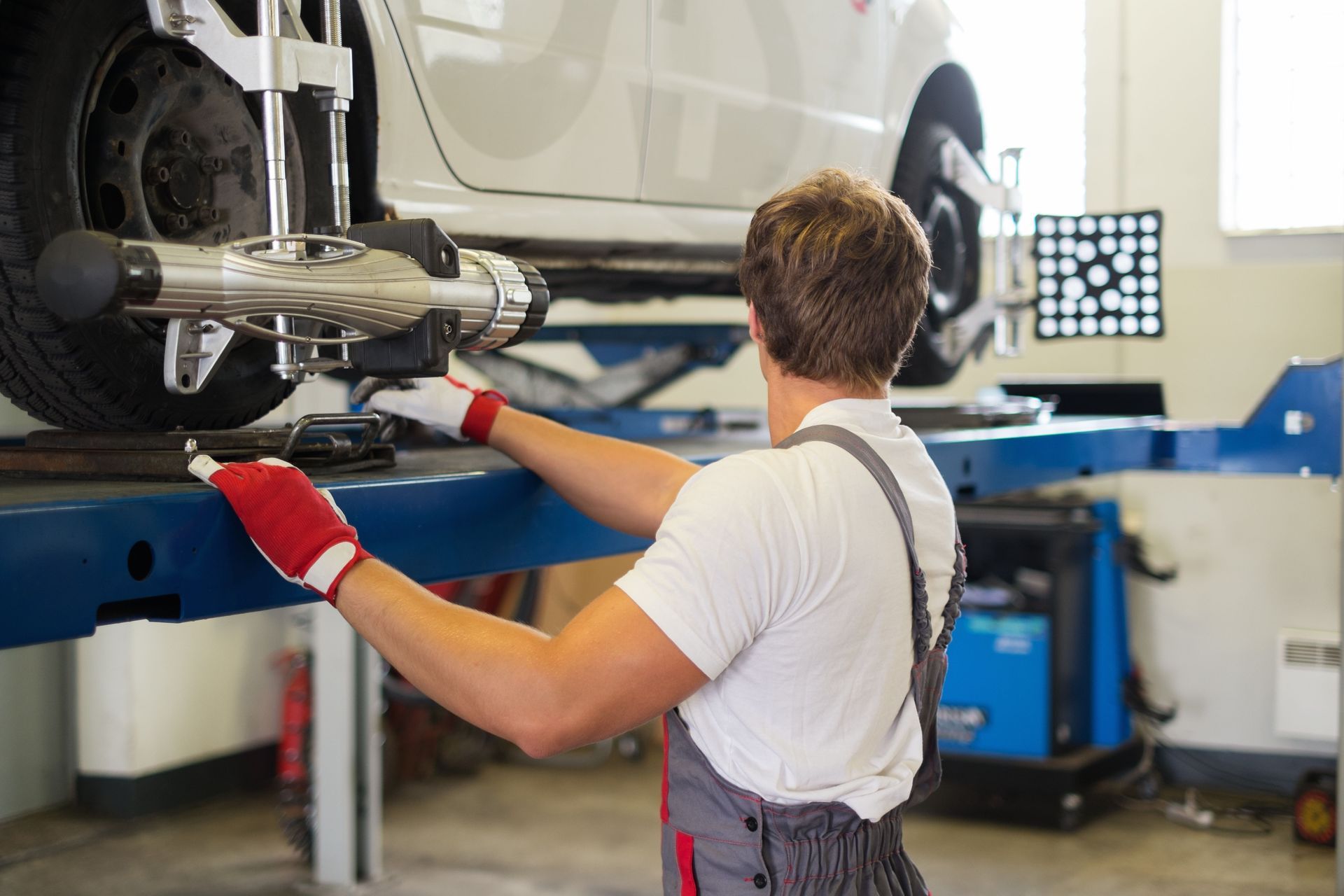
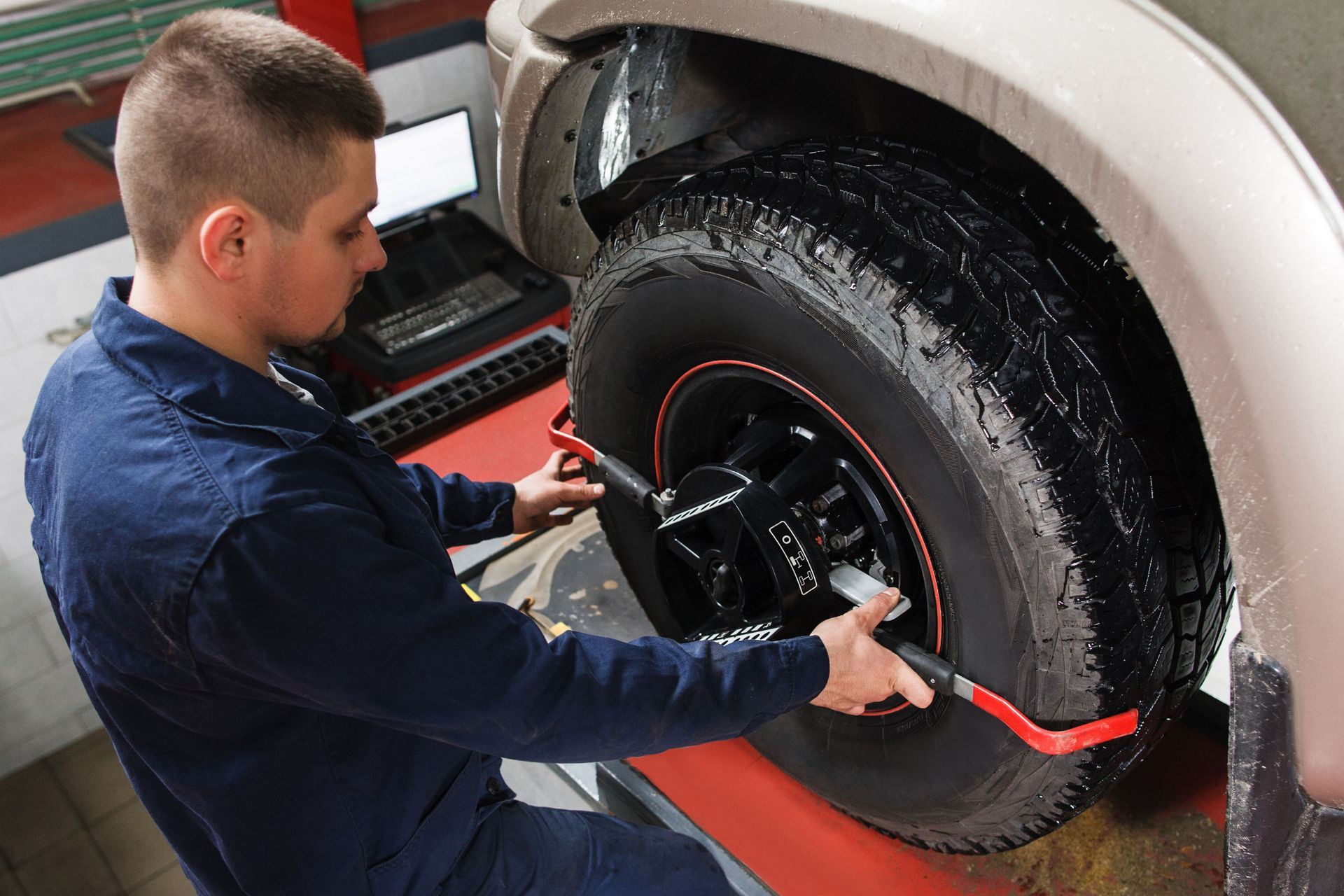
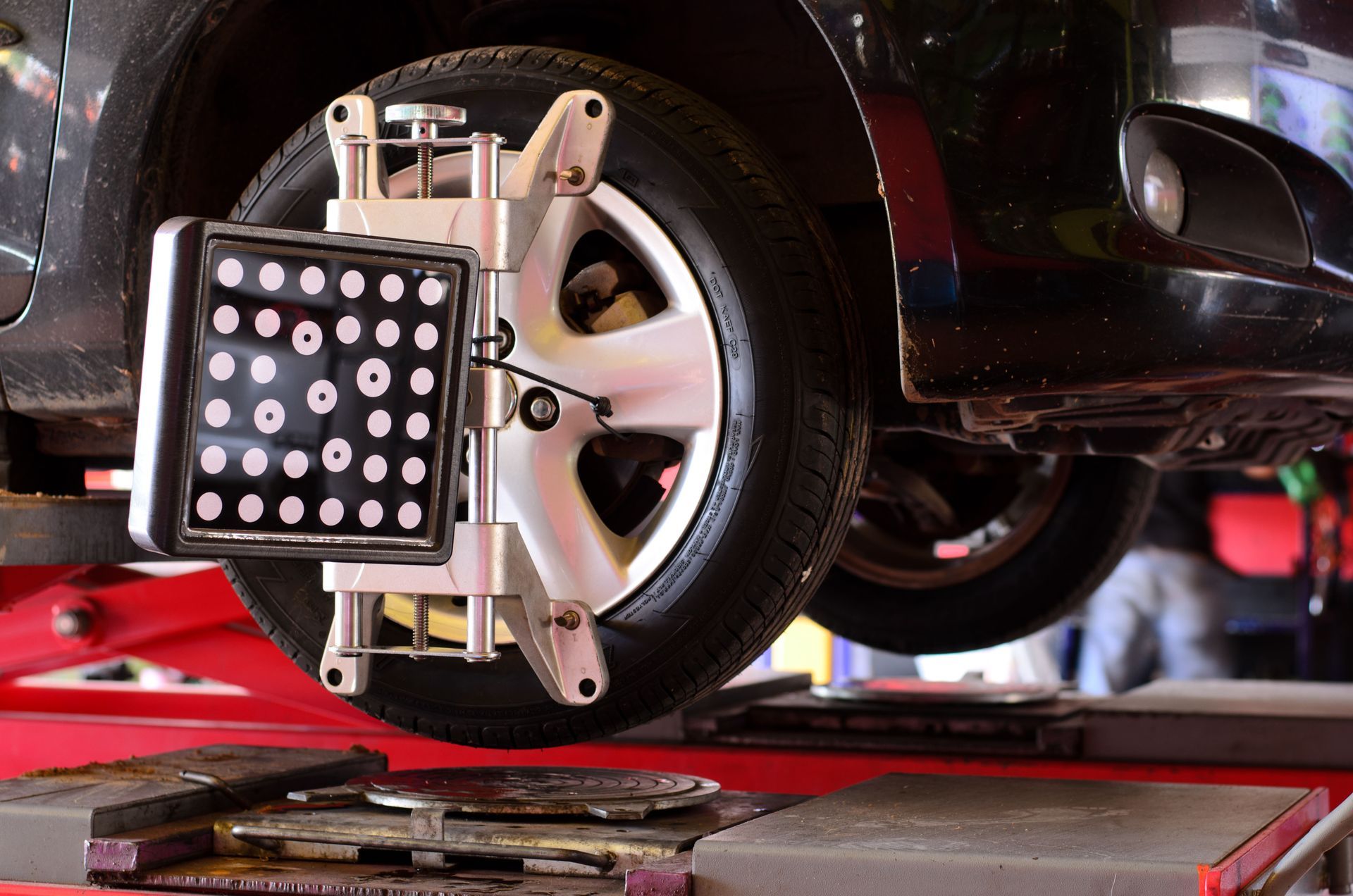
The actual alignment process involves several key steps to adjust the wheel angles accurately. First, the vehicle is mounted on an alignment rack to lift it off the ground. Technicians then attach alignment sensors to each wheel and calibrate them using the alignment machine. The machine provides readouts of the current angles, which are compared to the manufacturer's specifications. Adjustments are then made to the camber, toe, and caster angles until they align with the specified values. After completing these adjustments, technicians verify the alignment by performing further measurements to ensure accuracy.
Post-Alignment Testing
Once the alignment adjustments are complete, post-alignment testing is performed to verify the results. Technicians conduct a test drive to ensure that the vehicle tracks straight and exhibits proper handling dynamics. Steering wheel alignment is checked to ensure it is centered when driving on a straight path. Tire pressure and condition are also verified to eliminate any factors that may affect alignment. This thorough testing process ensures that the alignment adjustments have successfully addressed any existing issues and that the vehicle is safe for regular operation.
DIY vs. Professional Wheel Alignment
While some enthusiasts may attempt DIY wheel alignment, professional service is strongly recommended for optimal results. Alignment involves precise measurements and adjustments that require specialized equipment not typically available to the average vehicle owner. DIY attempts may lead to inaccurate adjustments, impacting vehicle performance and safety. Professional alignment services offer expertise, as well as access to advanced tools and technology, ensuring accurate and efficient alignment. Choosing a professional service provider, among the approximately 24,000 alignment service providers in the U.S., according to POI Data Platform, can prevent costly errors and maintain vehicle integrity.
Consequences of Neglecting Wheel Alignment
Impact on Tire Wear and Longevity
Neglecting regular wheel alignment can have significant impacts on tire wear and longevity. Misalignment causes uneven tire wear, leading to premature tire replacements and additional costs. Uneven wear patterns, such as feathering, cupping, or excessive wear on certain tire sections, are common outcomes of neglect. Proper alignment distributes tire wear evenly and extends the life of the tires, preventing the need for frequent replacements. Moreover, maintaining alignment ensures the safety and reliability of the vehicle's performance.
Influence on Vehicle Handling and Safety
Wheel alignment is crucial for maintaining vehicle handling and safety. Misaligned wheels can lead to compromised handling dynamics, making the vehicle harder to steer or control. This poses a safety risk, particularly during emergency maneuvers or adverse road conditions. Additionally, vehicles pulling to one side or displaying steering vibrations can result in driver fatigue and increased risk of accidents. Regular alignment checks help ensure that the vehicle responds predictably to driver inputs, enhancing overall safety for occupants and other road users.
Consequences for Fuel Efficiency
Misalignment negatively impacts fuel efficiency, resulting in increased fuel consumption and associated costs. Misaligned wheels create additional rolling resistance, requiring the engine to work harder to maintain speed. Poor fuel efficiency is not only costly for the driver but also has environmental impacts due to higher emissions. Keeping wheels properly aligned ensures that the vehicle operates efficiently, maximizing fuel economy. By addressing alignment issues promptly, vehicle owners can enjoy reduced fuel costs and contribute to environmental sustainability.
Other Mechanical Issues Arising from Poor Alignment
Neglecting wheel alignment can lead to other mechanical issues beyond tire wear and fuel efficiency. Misaligned wheels place additional strain on suspension components, steering systems, and wheel bearings. This increased stress can lead to premature wear and failure of these parts, resulting in costly repairs and replacements. Maintaining proper alignment helps distribute stress evenly across vehicle components, reducing the risk of mechanical issues and extending the life of the vehicle. Regular alignment checks contribute to overall vehicle reliability and minimize maintenance costs.
Regular wheel alignments are an essential part of vehicle maintenance that offers numerous benefits, from improved safety and performance to extended tire life and cost savings. By understanding the importance of alignment, recognizing signs of misalignment, and adhering to recommended maintenance schedules, vehicle owners can ensure optimal vehicle performance. Selecting a reputable service provider with qualified technicians and advanced equipment ensures accurate and reliable alignments. While alignment services may initially seem like an expense, they provide significant long-term benefits by preventing costly repairs and promoting vehicle longevity. By prioritizing regular alignments and choosing trusted service providers, vehicle owners can enjoy safe, efficient, and cost-effective driving for years to come. Reach out to Woodman Automotive & Tires today to get started with aligning your wheels properly.