May 26, 2026
Vehicle alignment is a critical aspect of automotive maintenance that significantly impacts both fuel efficiency and driving safety. Proper alignment ensures that wheels are parallel and that the vehicle's suspension is functioning as intended, which is essential for maximizing performance and safety. This article delves into how alignment services can enhance fuel efficiency and driving safety.
Understanding Vehicle Alignment
Definition of Vehicle Alignment
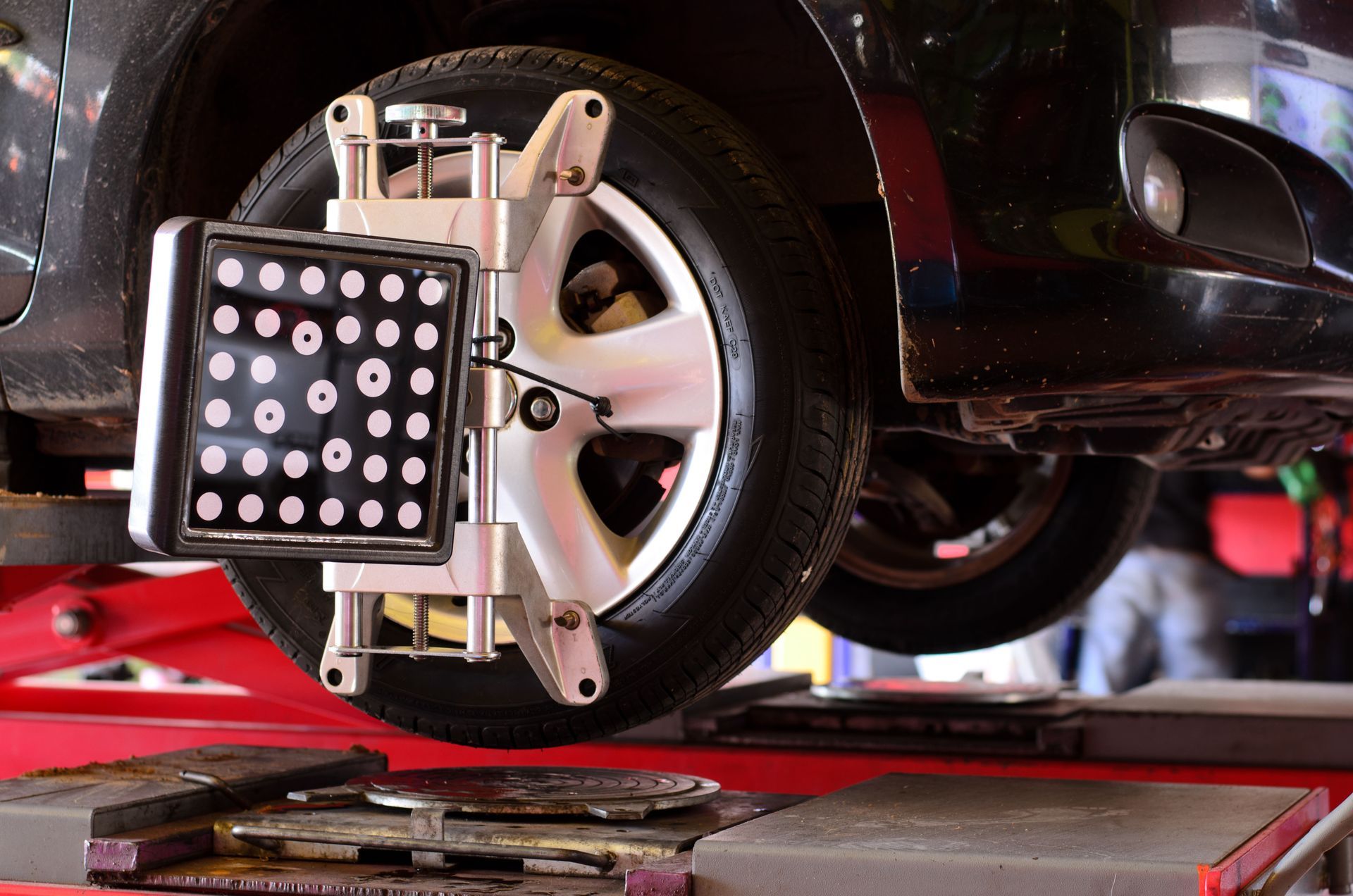
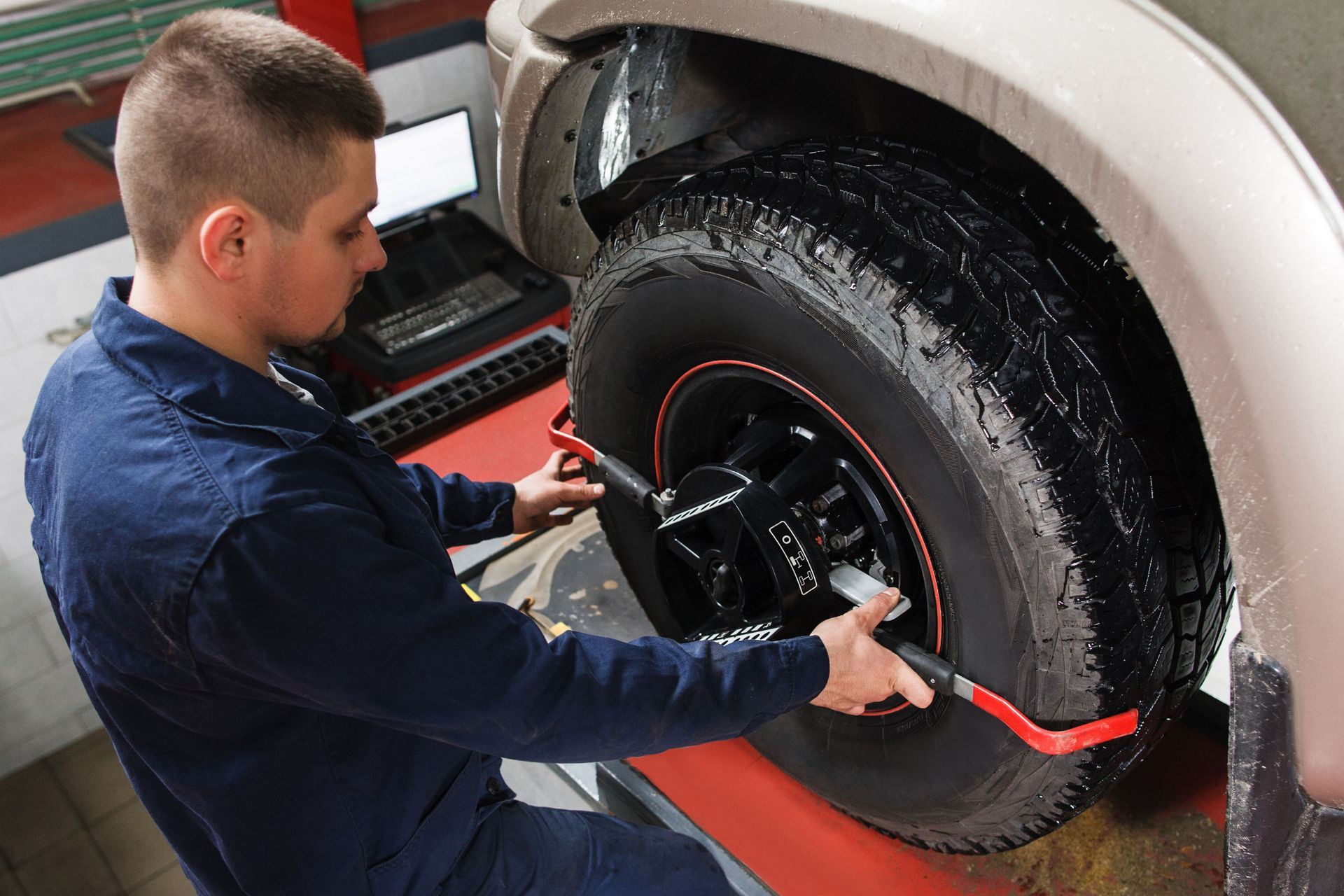
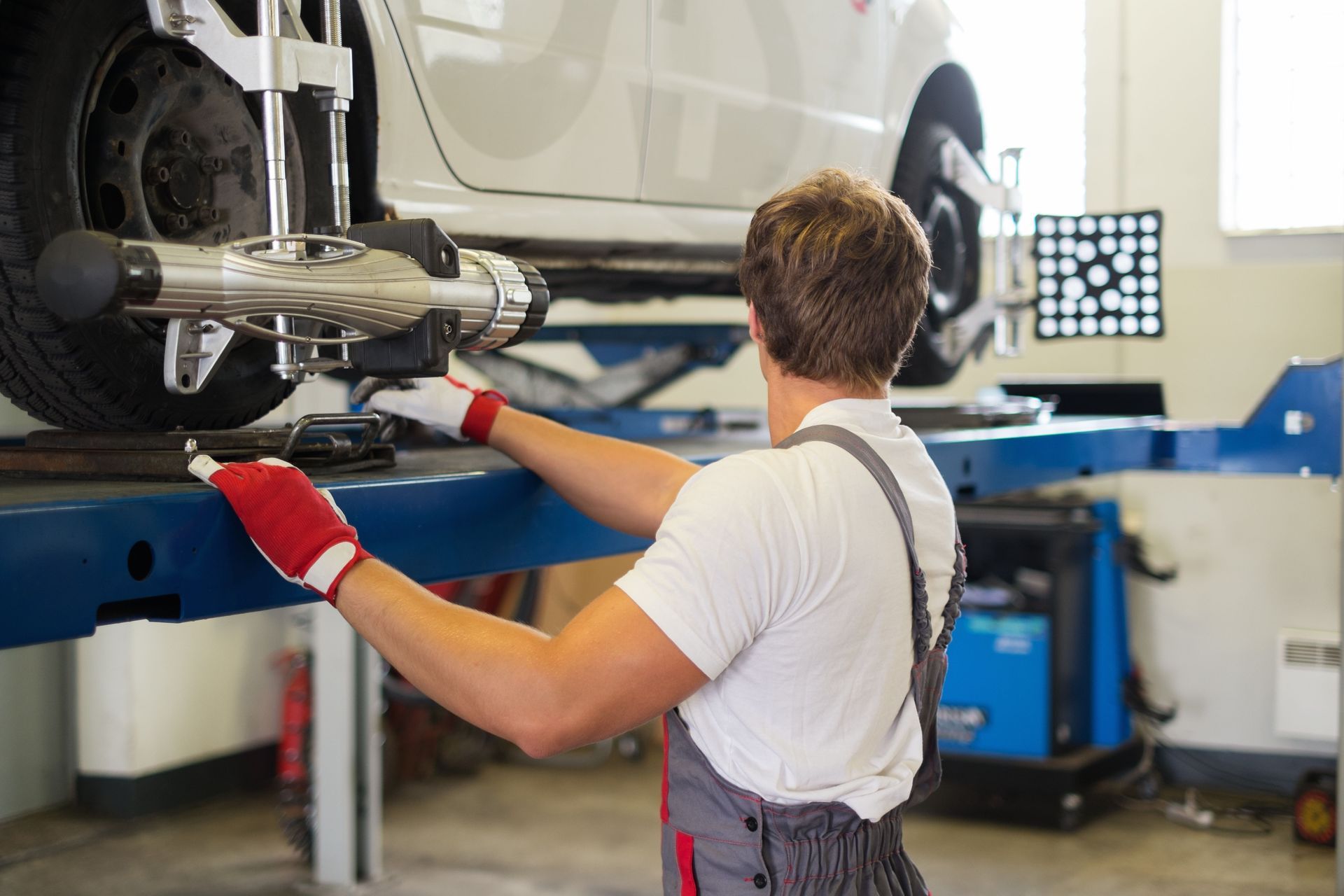
Vehicle alignment refers to the adjustment of a vehicle's suspension, the system that connects a car to its wheels. It is not an adjustment of the tires or wheels themselves but rather involves adjusting the angles of the tires which affects how they make contact with the road. Proper alignment reduces tire wear, ensures that a vehicle travels straight without pulling to one side, and enhances overall driving comfort. When alignment is off, it can lead to uneven tire wear, increased fuel consumption, and safety issues. Regular checks and adjustments are essential to ensure vehicle efficiency and safety.
Components Involved in Alignment
Several components are adjusted during an alignment service, including camber, caster, and toe. Camber refers to the inward or outward angle of the tire when viewed from the front of the vehicle. Caster is the angle of the steering axis when viewed from the side of the vehicle, affecting steering and stability. Toe alignment refers to the extent to which your tires turn inward or outward when viewed from above. Proper alignment of these components ensures that the vehicle operates efficiently, enhancing both fuel efficiency and safety. Each component plays a crucial role in how the vehicle handles and performs.
Signs of Misalignment
Drivers can identify misalignment through several telltale signs, such as uneven tire wear and a steering wheel that is off-center when driving straight. If the vehicle pulls to one side, it is a common indication of misalignment. Vibrations in the steering wheel or the entire vehicle can also suggest alignment issues. Ignoring these signs can lead to further mechanical problems and safety issues. Regular alignment checks are essential to catch these problems early and prevent costly repairs.
Common Causes of Misalignment
Misalignment can occur due to a variety of reasons, including hitting potholes, curbs, or other road hazards. Normal wear and tear can also lead to alignment issues as components like springs and bushings wear down over time. Modifications to the vehicle's suspension or changes in tire size without proper adjustments can cause misalignment. It's important to address these issues promptly to maintain optimal vehicle performance. Regular inspections can help identify and correct misalignment before it leads to more serious issues.
Analyzing the Impact of Alignment on Fuel Efficiency
How Misalignment Increases Fuel Consumption
Misalignment can significantly increase fuel consumption as it causes additional friction and resistance on the road. When wheels are not aligned properly, they work against each other, leading to increased rolling resistance. This requires more power and fuel to maintain speed and control. Proper alignment minimizes this resistance, allowing the vehicle to glide more efficiently. With over 283 million vehicles on U.S. roads in 2022, according to the National Highway Traffic Safety Administration, the cumulative impact of misalignment on fuel consumption is substantial.
Role of Tire Pressure and Alignment
Tire pressure plays a critical role in alignment and overall vehicle efficiency. Underinflated tires can exacerbate alignment issues, leading to increased rolling resistance and fuel consumption. Proper tire pressure ensures that the vehicle's weight is evenly distributed, reducing the strain on the suspension system. Regularly checking and maintaining tire pressure can complement alignment services, maximizing fuel efficiency. Together, alignment and tire pressure maintenance can lead to significant fuel savings.
Enhancing Driving Safety through Proper Alignment
Alignment and Vehicle Handling
Proper alignment is crucial for optimal vehicle handling, ensuring that the driver maintains control under various conditions. Misalignment can cause the vehicle to pull to one side, requiring constant steering adjustments and increasing driver fatigue. Correct alignment ensures that the vehicle responds predictably to steering inputs, enhancing safety and comfort. This is particularly important in emergency situations where precise handling is critical. Regular alignment checks are essential for maintaining safe handling characteristics.
Effects on Braking Performance
Alignment affects braking performance by ensuring that all tires maintain consistent contact with the road. Misalignment can cause uneven tire wear, reducing braking efficiency and increasing stopping distances. Proper alignment ensures that the braking force is distributed evenly across all tires, maximizing stopping power. This is especially important in adverse weather conditions where braking performance is critical. Regular alignment services can help maintain optimal braking performance, enhancing safety for drivers and passengers.
Reducing Tire Wear and Blowout Risks
Proper alignment reduces tire wear, extending the life of the tires and lowering the risk of blowouts. Misalignment causes uneven wear patterns, leading to premature tire failure and increased maintenance costs. Regular alignment checks ensure that tires wear evenly, reducing the risk of blowouts that can lead to accidents. Maintaining proper alignment is a cost-effective way to enhance safety and reduce tire replacement costs. It also contributes to a smoother, more comfortable ride.
Alignment's Role in Accident Prevention
Proper alignment plays a vital role in accident prevention by ensuring that the vehicle handles predictably and efficiently. Misalignment can lead to loss of control in critical situations, increasing the risk of accidents. By maintaining proper alignment, drivers can ensure that their vehicles respond accurately to steering inputs, reducing the likelihood of accidents. This is particularly important in high-traffic or adverse weather conditions where precise handling is essential. Regular alignment services are a proactive measure to enhance driving safety.
Maintaining Alignment for Long-Term Benefits
Regular Maintenance Practices
Regular maintenance practices are essential for maintaining proper alignment and maximizing vehicle performance. Drivers should schedule regular alignment checks and adjustments to ensure that their vehicles remain aligned and efficient. In addition to alignment services, regular tire rotations and balancing can help maintain even tire wear and prolong tire life. By prioritizing regular maintenance, drivers can enjoy long-term benefits in terms of fuel efficiency, safety, and vehicle performance. These practices are a smart investment for any vehicle owner.
Monitoring Tire Conditions
Monitoring tire conditions is a key aspect of maintaining proper alignment and ensuring vehicle safety. Drivers should regularly inspect their tires for signs of uneven wear, which can indicate alignment issues. Maintaining proper tire pressure is also important, as underinflated or overinflated tires can exacerbate alignment problems. By monitoring tire conditions, drivers can identify and address alignment issues early, preventing further damage and ensuring optimal vehicle performance. Regular tire inspections are a simple yet effective way to maintain alignment and safety.
Driving Habits that Affect Alignment
Driving habits can have a significant impact on vehicle alignment and overall performance. Aggressive driving, such as rapid acceleration and hard braking, can lead to misalignment and increased wear on suspension components. Drivers should avoid hitting potholes and curbs whenever possible, as these can cause alignment issues. By adopting smooth and cautious driving habits, drivers can prolong the life of their tires and maintain proper alignment. These habits contribute to improved fuel efficiency and enhanced safety on the road.
Record Keeping and Scheduling
Keeping detailed records of alignment services and maintenance is important for ensuring that a vehicle remains in optimal condition. Drivers should record the dates of alignment checks, adjustments, and any related maintenance services to track the vehicle's alignment history. Scheduling regular alignment checks based on this history can help prevent alignment issues and maintain vehicle performance. By maintaining accurate records, drivers can ensure that their vehicles receive the necessary maintenance and remain aligned over the long term. Record keeping is a proactive approach to vehicle care.
Vehicle alignment plays a crucial role in enhancing both fuel efficiency and driving safety. Proper alignment reduces tire wear, improves fuel efficiency, and ensures optimal vehicle handling. By prioritizing alignment maintenance, drivers can enjoy improved performance, reduced costs, and enhanced safety. Reach out to Woodman Automotive & Tires today to learn how our alignment services can maximize your vehicle's potential.