November 25, 2026
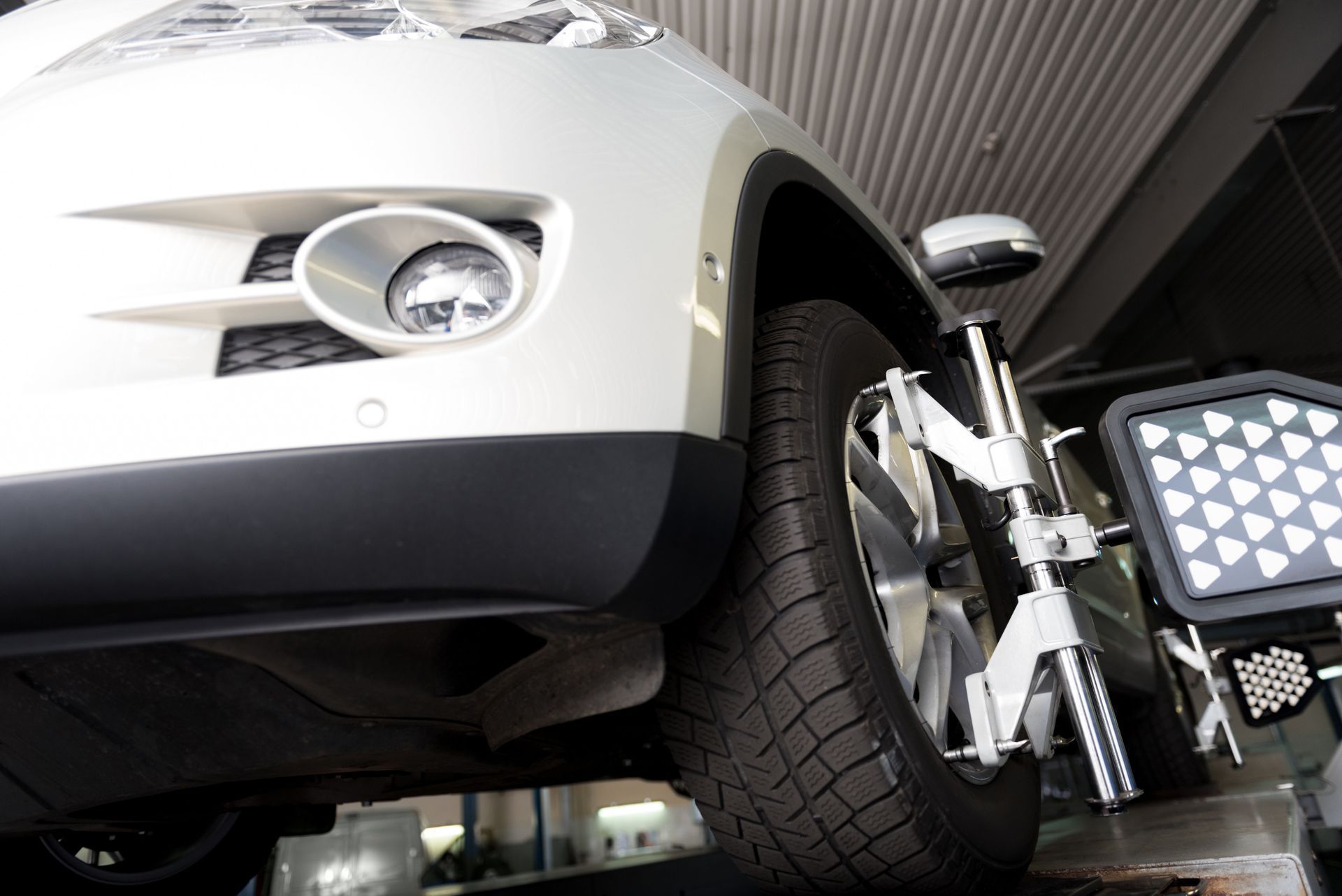
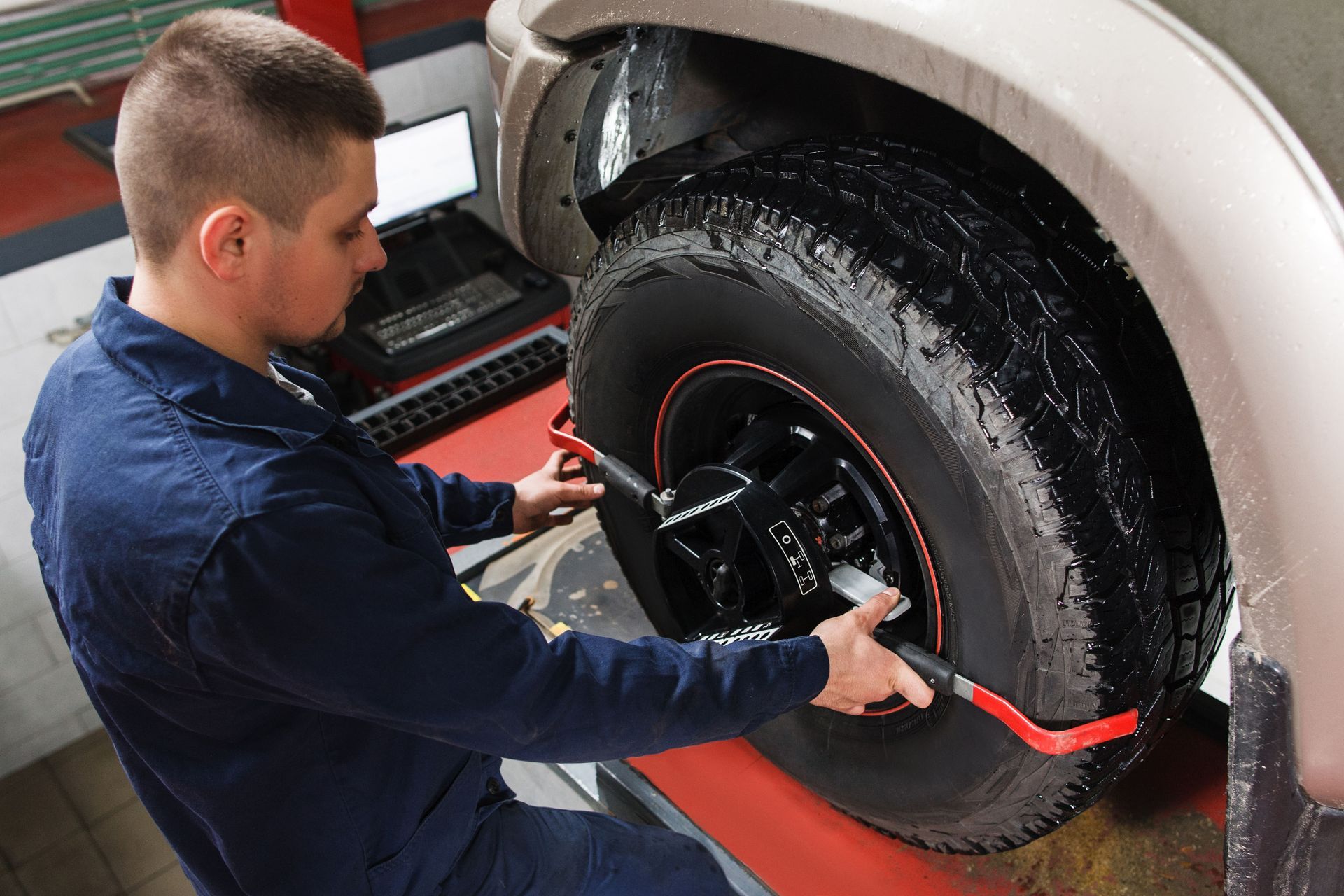
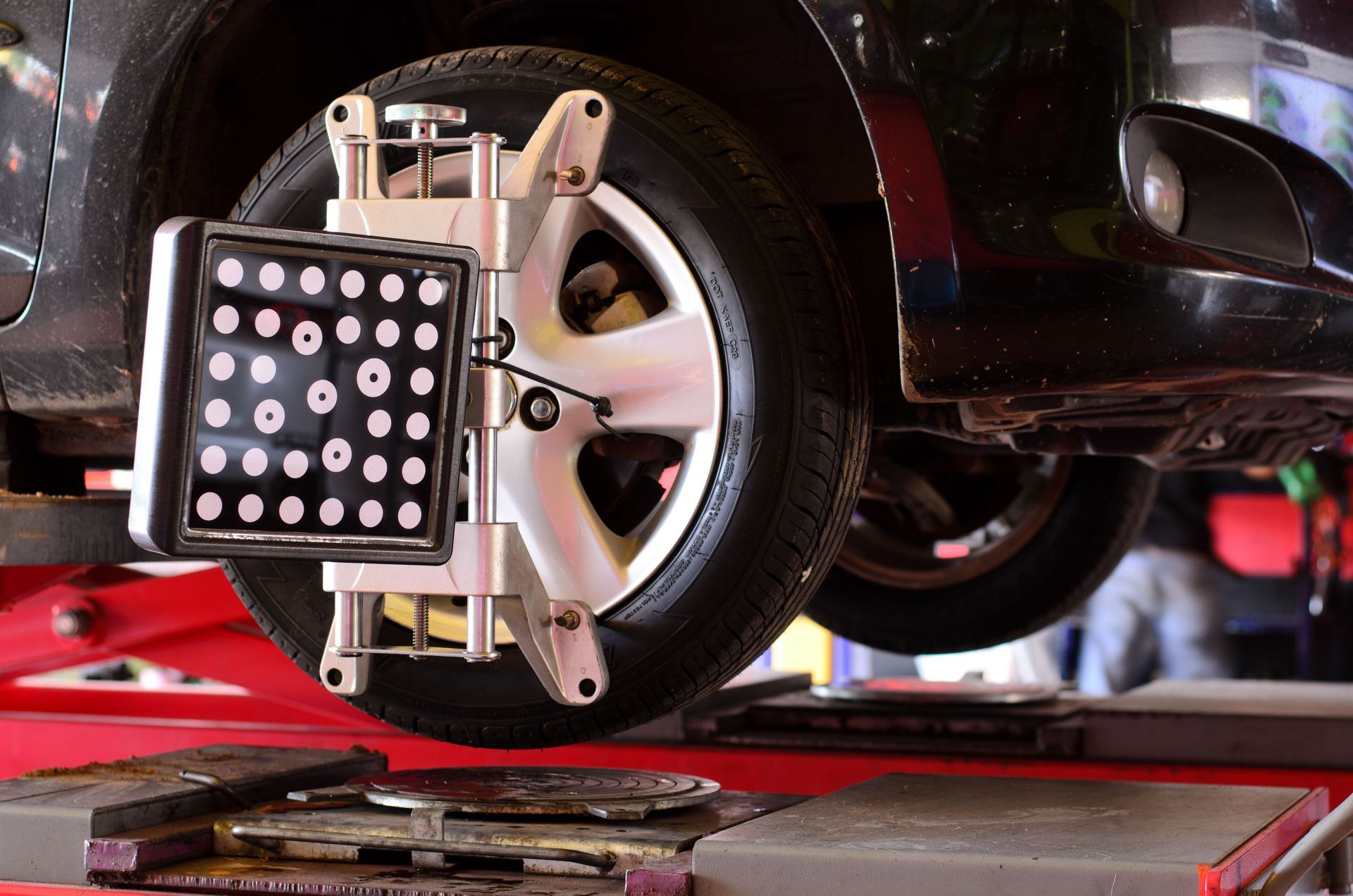
Your vehicle's wheels play an important role in maintaining stability, handling, and overall driving safety. When they are properly aligned, the tires work together to support smooth movement and predictable steering. However, everyday driving conditions can gradually affect wheel positioning. Hitting potholes, striking curbs, driving over uneven pavement, and experiencing worn suspension components can all contribute to alignment problems. These issues may not seem serious at first, especially when the vehicle remains drivable. Over time, however, poor alignment can create additional problems that affect tire condition, vehicle performance, and repair expenses. Scheduling a professional alignment service when warning signs appear can help prevent minor concerns from developing into more expensive complications. Understanding the risks of ignoring alignment issues can help drivers protect their vehicles and maintain safer driving conditions.
1. Experiencing Uneven Tire Wear
One of the most noticeable consequences of poor wheel alignment is uneven tire wear. When wheels do not point in the correct direction, certain areas of the tires experience more friction against the road. This uneven contact can cause the tread to wear down faster along the inner or outer edges. Drivers may also notice feathering, cupping, or other unusual tread patterns during a visual inspection. Replacing tires prematurely can become an expensive inconvenience, particularly when multiple tires are affected. A professional alignment service can help identify incorrect wheel angles and determine whether adjustments are necessary. Correcting the problem allows tires to make more consistent contact with the pavement. Regular inspections can also help drivers recognize developing wear patterns before they require complete tire replacement.
2. Reducing Steering Control
Proper alignment helps a vehicle respond predictably when the driver turns the steering wheel. When alignment angles are incorrect, the vehicle may pull toward one side or feel less stable during ordinary driving. Drivers might find themselves constantly adjusting the steering wheel to maintain a straight path. This extra effort can become tiring, especially during longer commutes or highway travel. Poor alignment may also affect how smoothly the vehicle responds when navigating curves or making lane changes. Scheduling an alignment service can help restore appropriate wheel positioning and improve steering consistency. Technicians can inspect the alignment angles and identify whether other components may be contributing to the handling problem. Addressing these concerns promptly helps drivers maintain better control in everyday driving situations.
3. Increasing Tire Replacement Costs
Tires represent a significant maintenance expense, and alignment problems can shorten their usable lifespan. When tires wear unevenly, replacing them may become necessary even if portions of the tread still have sufficient depth. Drivers who ignore alignment concerns may find themselves purchasing new tires more frequently than expected. According to AutoLeap, used car sales increased by approximately 9% between 2019 and 2025, highlighting continued activity in the used vehicle market. Whether maintaining an older vehicle or preparing one for resale, keeping the tires in good condition remains an important consideration. A timely alignment service can help reduce unnecessary tread wear when incorrect wheel positioning is the underlying cause. Drivers should also have tire pressure and overall tire condition checked during routine maintenance. Taking these steps can help manage replacement costs and support more consistent tire performance.
4. Decreasing Fuel Efficiency
Incorrect wheel alignment can affect how efficiently a vehicle moves along the road. When tires are not positioned properly, they may create additional rolling resistance as the vehicle travels. The engine may need to work harder to maintain speed, potentially contributing to increased fuel consumption. Although alignment is not the only factor influencing fuel economy, it is one maintenance concern drivers should not overlook. Poor tire pressure, worn components, and driving habits can also affect how much fuel a vehicle uses. A qualified technician can inspect wheel positioning and determine whether an alignment correction is appropriate. Restoring proper alignment may help reduce unnecessary resistance caused by incorrectly positioned wheels. Paying attention to these maintenance details can support more efficient vehicle operation over time.
5. Putting Additional Stress on Suspension Components
A vehicle's suspension system helps absorb road impacts and maintain stable contact between the tires and pavement. When alignment is incorrect, certain components may experience additional strain as the vehicle moves. Depending on the underlying cause, worn ball joints, damaged control arms, or deteriorating bushings may contribute to alignment problems. Continuing to drive without investigating these concerns can allow existing mechanical issues to worsen. A professional alignment service often provides an opportunity to inspect related steering and suspension components. Technicians can identify visible wear or damage that may prevent the wheels from maintaining their correct position. Addressing the underlying mechanical concern is important because an alignment adjustment alone may not resolve every problem. Regular inspections help drivers recognize suspension issues before they lead to more extensive repairs.
6. Making Braking Less Predictable
A vehicle's braking system depends on stable tire contact with the road to help produce consistent stopping performance. Alignment problems can affect how the vehicle tracks during braking, particularly when the wheels are significantly out of position. Drivers may notice pulling or uneven movement when applying the brakes. These symptoms should never be ignored because they may also indicate brake, tire, or suspension problems. An alignment service can help determine whether incorrect wheel positioning is contributing to the vehicle's handling behavior. However, technicians should also inspect the braking system when symptoms suggest a separate mechanical concern. Maintaining properly positioned wheels and functional brakes supports more predictable vehicle response. Drivers should arrange an inspection promptly if their vehicle behaves unusually when slowing down or stopping.
7. Causing Steering Wheel Misalignment
A steering wheel that sits crooked while the vehicle travels straight can indicate an alignment concern. This condition may develop after hitting a pothole, striking a curb, or replacing certain steering and suspension components. Although the vehicle may still be drivable, an off-center steering wheel can make everyday operation uncomfortable. Drivers might repeatedly adjust their grip because the steering wheel does not rest in its expected position. An alignment service can help correct wheel angles and restore the steering wheel to a more centered position when alignment is the cause. Technicians can also investigate whether worn or damaged components are preventing proper adjustment. Ignoring this warning sign may allow other handling concerns to remain unresolved. Having the vehicle inspected helps determine the appropriate repair instead of relying on repeated steering corrections.
8. Increasing the Risk of Premature Vehicle Repairs
Ignoring alignment problems can allow several smaller maintenance concerns to develop into more expensive repairs. Uneven tire wear, increased resistance, and additional strain on steering or suspension components can affect different parts of the vehicle over time. Drivers may eventually face multiple repair needs that could have been identified during an earlier inspection. An alignment service is a practical maintenance step when symptoms suggest that wheel positioning has changed. However, technicians should evaluate the vehicle's overall condition rather than assuming alignment is the only issue. Regular maintenance records can also help track recurring concerns and identify patterns that deserve further attention. Addressing problems early gives drivers a better opportunity to manage repair expenses and avoid unnecessary downtime. Staying attentive to changes in handling, tire wear, and steering behavior can make a meaningful difference in long-term vehicle care.
Wheel alignment affects much more than how straight a vehicle travels. Ignoring alignment problems can contribute to uneven tire wear, reduced handling consistency, additional mechanical strain, and unnecessary maintenance expenses. Paying attention to warning signs and scheduling inspections can help drivers address these concerns before they become more serious. Woodman Automotive & Tires can help drivers evaluate alignment concerns and determine the appropriate maintenance for their vehicles. Contact us to schedule an appointment and keep your vehicle handling smoothly and reliably.